
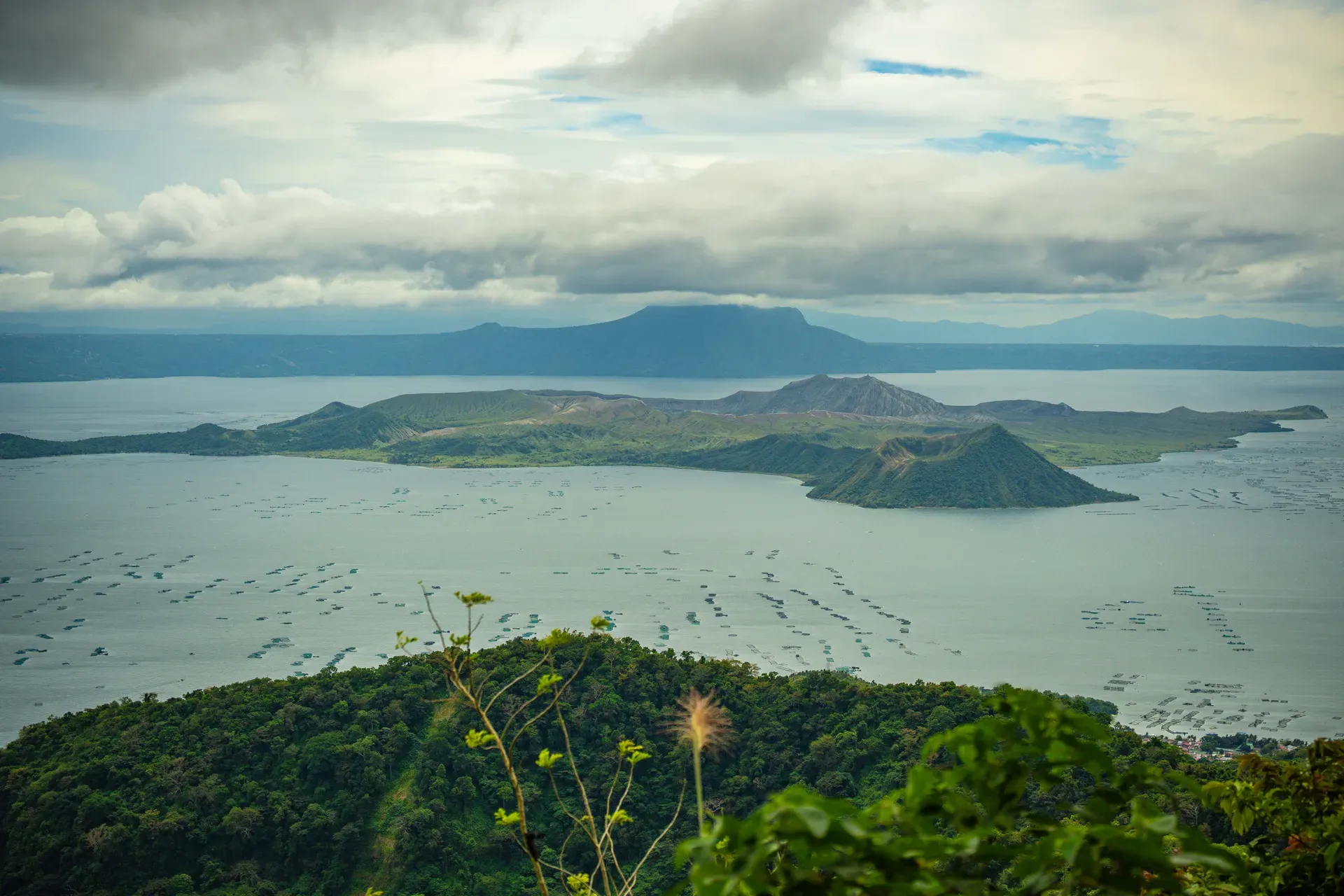
Viewing the caldera from the Tagaytay ridge costs nothing and remains open 24/7. Boat tours from Talisay operate between 6:00 AM and 4:00 PM, though the government currently prohibits landing on Volcano Island due to seismic activity.
Physical access to Volcano Island is currently prohibited by the government due to its Permanent Danger Zone status. Boat tours from the Talisay Boat Station operate daily from 6:00 AM to 4:00 PM for viewing the caldera from the water. The local tourism office opens at 4:00 AM.
Swipe to see more
| Day | Hours | Note |
|---|---|---|
| Monday–Sunday | 06:00–16:00 | Talisay boat tour hours. Island landing is strictly prohibited. |
Volcanic unrest dictates sudden, strict government-mandated closures regardless of the calendar. Heavy rains during the wet season from June to October frequently disrupt boat operations and lower visibility. Always check current PHIVOLCS safety alerts before traveling to the lake.
Viewing the volcano from afar costs nothing, but accessing the island involves a series of local charges. Adults pay a ₱100 environmental fee and a ₱10 port landing fee upon arrival. A roundtrip boat rental across the lake adds ₱1,500 to ₱2,000 to the total cost.
Swipe to see more
| Category | Price | Note |
|---|---|---|
| Adult Environmental Fee | ₱100 | Paid at the Talisay Tourism Office |
| Child Environmental Fee | ₱50 | |
| Port Landing Fee | ₱10 | Paid upon arrival at the volcano |
| Red Lava Viewpoint | ₱50 | Optional access fee off the main trail |
| Local Guide Fee | ₱500 | |
| Return Boat Trip | ₱1,500 - ₱2,000 | Covers up to 7 passengers |
Admission to view the volcano from the mainland or Tagaytay Ridge is entirely free year-round.
Planning your visit to Taal Volcano? Find tours with free cancellation and skip-the-line options.
View All ToursVisit between November and May, arriving at the Talisay Boat Station by 6:00 AM. Dry season mornings guarantee clear skies and softer light, allowing you to complete the exposed, shade-free hike before midday temperatures peak. Early arrivals also bypass the heavy tourist crowds that swell by mid-morning.
Swipe to see more
| Period | Crowd Level | Recommendation |
|---|---|---|
| Pre-dawn (04:00–06:00) | Low | The local tourism office opens at 4:00 AM for hikers wanting to secure the first boats and photograph the crater in soft morning light. |
| Morning (06:00–10:00) | Moderate | Regular boat tours begin operating, making this the most practical window to cross Taal Lake before intense solar radiation hits the unshaded trails. |
| Midday (10:00–14:00) | High | Temperatures on the dusty slopes reach their peak, increasing the risk of severe dehydration for anyone attempting the hour-long climb. |
| Late afternoon (14:00–16:00) | Moderate | Boat operations from Talisay shut down at 4:00 PM, leaving a brief final window for late arrivals to arrange a 20-minute crossing. |
A typical visit to Taal Volcano takes two to three hours. Total time depends heavily on your starting point, as round trips originating from Manila require eight to twelve hours of transit. Hiring a horse for ₱500 to ₱600 bypasses the 45-minute uphill hike, cutting your time on the exposed, dusty trail.
Arrive at the Talisay Boat Station by 6:00 AM. Morning light creates better crater visibility before the midday heat sets in. The local tourism office opens at 4:00 AM for early arrivals.
Lock in your boat price before stepping onto the outrigger. Operators at Talisay station charge ₱1,500 to ₱2,000 for a roundtrip crossing covering up to seven passengers. Refuse per-person rates.
Pack your own N95 dust mask before leaving Manila. Active fumaroles vent sulfur dioxide across the crater rim, causing severe respiratory irritation. Local shops frequently run out of supplies during periods of high volcanic emissions.
Carry at least two liters of water per person. The volcanic trail lacks shade entirely, exposing hikers to intense solar radiation and rising ground temperatures. Wear non-slip hiking shoes to navigate the loose, dusty ash.
Check current PHIVOLCS safety alerts before paying for transport. The government frequently classifies Volcano Island as a Permanent Danger Zone during seismic unrest, strictly prohibiting landings. Unofficial tricycle drivers may falsely claim the trails are open to secure a ₱100 to ₱300 fare.
No, the Philippine Government prohibits landing on Volcano Island. Officials designated the area a Permanent Danger Zone due to unpredictable seismic activity and toxic sulfur dioxide emissions. Coast Guard patrols investigate unauthorized entries, and violators or boat operators face penalties and license revocation.
A traditional motorized outrigger boat costs between ₱1,500 and ₱2,000 for a roundtrip crossing from the Talisay Boat Station. This flat rate covers up to seven passengers. Negotiate this price directly with operators before boarding to avoid exorbitant per-person charges.
Adults pay a ₱100 environmental fee at the Taal Volcano Tourism Office in Talisay, while children pay ₱50. Visitors also pay a ₱10 port landing fee upon arrival. Accessing the Red Lava Viewpoint requires an additional ₱50 payment.
Regular boat tours from the Talisay Boat Station run from 6:00 AM to 4:00 PM. The local tourism office opens at 4:00 AM to process early registrations. Arriving by 6:00 AM helps you beat the intense midday heat and harsh lighting.
Expect to spend two to three hours completing the lake crossing and viewing the volcano. The boat ride across the 265-square-kilometer caldera takes 20 minutes each way. Factoring in transit from Manila, allocate 8 to 12 hours for the entire day trip.
Hiring a local guide costs ₱500. Renting a horse to ride up the steep, dusty slopes costs between ₱500 and ₱600 per person. The trail lacks shade, making the horse option popular during peak heat, though riders still face exposure to sulfuric fumes.
November through May provides the best conditions, bringing clear skies and dry trails. Heavy rains from June to October turn the paths slippery and create low-hanging clouds that obscure the crater. Check local air quality reports, as high volcanic emissions can force sudden closures regardless of the season.
Browse verified tours with free cancellation and instant confirmation.
Find Tours